13 Easy Vegan Korean Recipes | Traditional Korean Food
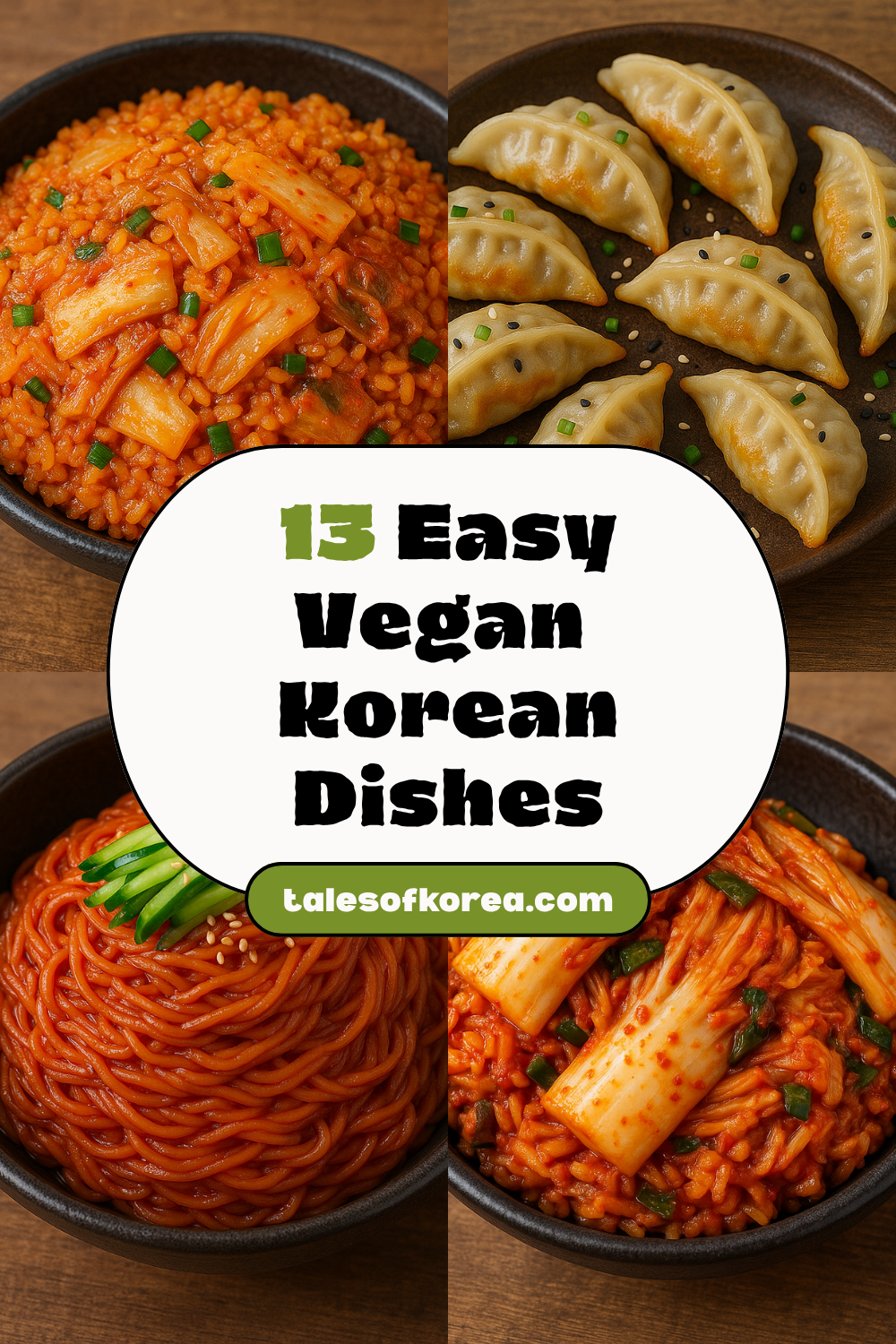
Welcome to the vibrant and exciting world of vegan Korean food—a perfect blend of centuries-old tradition and modern plant-based innovation. If you thought Korean cuisine was just about kimchi and catchy K-pop beats, think again. This cuisine is bursting with flavors, gut-friendly benefits, and best of all, it’s completely free of meat and animal products.
Why Vegan Korean Food Is Having Its Moment
Korean culture is everywhere—from electrifying K-Pop idols to addictive dramas and glowing skincare secrets. Similarly, Korean food is winning hearts worldwide, now with a delicious vegan twist!
Here’s why vegan Korean food is making waves:
- Fermentation magic: Fermented foods like kimchi and doenjang are rich in probiotics that support gut health and deliver incredible flavors that define Korean cooking. These fermented delights are a powerhouse of taste and wellness.
- Bold, sustainable flavors: Korean cuisine masterfully combines spicy pastes like gochujang, pickled vegetables, and fresh produce creating unforgettable meals without meat. It’s sustainability and bold tastes in perfect harmony.
- Global accessibility: No nearby Korean market? No problem! Ready-to-eat vegan kimchi and plant-based bulgogi kits make it easier than ever to enjoy authentic vegan Korean food at home.
Vegan Korean food truly celebrates tradition, taste, and modern plant-based innovation.
Must-Try Vegan Korean Staples
Before you dive in, here are some essential vegan Korean dishes guaranteed to make your taste buds dance:
1. Vegan Kimchi
Traditional kimchi is the soul of Korean cuisine, appearing at nearly every meal as a spicy, tangy, fermented side dish. While classic kimchi often contains fish sauce or shrimp paste, vegan kimchi captures all the bold, probiotic-rich flavors using plant-based alternatives like seaweed, fermented soy sauce, and aromatic vegetables. The result is a fiery, crunchy condiment that elevates everything from rice bowls to sandwiches.
For an authentic vegan kimchi recipe that delivers traditional flavor, check out this recipe by My Eclectic Bites.
2. Plant-Based Bulgogi
Bulgogi, meaning “fire meat,” is one of Korea’s most beloved dishes—thin slices marinated in a sweet-savory sauce and grilled to perfection. The plant-based version swaps beef for mushrooms, tofu, or seitan, soaking up that signature marinade of soy sauce, sesame oil, garlic, and pear. The result is smoky, caramelized, and absolutely addictive, proving you don’t need meat for authentic Korean BBQ flavor.
Try this delicious plant-based Vegan Bulgogi Wraps with Shiso recipe from The Viet Vegan.
3. Japchae (Glass Noodles and Vegetables)
Japchae is a celebration dish featuring slippery sweet potato glass noodles stir-fried with colorful vegetables in a glossy soy-sesame sauce. Originally created for Korean royalty, this naturally vegan-friendly dish offers a perfect balance of chewy noodles, crisp vegetables, and savory-sweet flavors. It’s equally delicious served warm or at room temperature, making it ideal for meal prep or potlucks.
Learn how to make perfect japchae with this recipe by Doobydobap.
4. Kimbap (Korean Rice Rolls)
Often compared to sushi, kimbap is uniquely Korean with its sesame oil-seasoned rice and variety of colorful fillings rolled in seaweed. Vegan kimbap skips the traditional egg and crab, instead featuring pickled radish, spinach, carrots, and mushrooms for a rainbow of flavors and textures. These portable rice rolls make the perfect lunch, picnic snack, or light meal.
Master the art of rolling kimbap with these 5 vegan kimbap recipes by Cheap Lazy Vegan.
5. Vegan Mandu (Dumplings)
Mandu are Korean dumplings that pack incredible flavor into each delicate wrapper. Vegan versions typically feature a savory filling of kimchi, tofu, mushrooms, and glass noodles, creating a juicy, umami-rich bite. Whether steamed until tender, boiled in soup, or pan-fried until crispy, these dumplings are comfort food at its finest and surprisingly fun to make at home.
Get step-by-step instructions for vegan mandu from Chez Jorge.
6. Tteokbokki (Spicy Rice Cakes)
Tteokbokki is Korea’s most popular street food—chewy cylindrical rice cakes swimming in a vibrant red gochujang sauce that’s spicy, slightly sweet, and utterly addictive. While traditional versions include fish cakes, vegan tteokbokki uses vegetable broth and often adds cabbage, mushrooms, or vegan fish cakes. This dish is the ultimate Korean comfort food that K-drama fans will instantly recognize.
Discover how to make Vegan Rabokki (Tteokbokki with Ramyun) by The Viet Vegan!
7. Pajeon (Green Onion Pancakes)
Pajeon are crispy, savory Korean pancakes studded with fresh green onions and traditionally enjoyed on rainy days with a bowl of makgeolli (rice wine). The simple batter becomes wonderfully crispy on the outside while staying tender inside, and the green onions add a fresh, sharp bite. Served with a tangy soy dipping sauce, pajeon make an irresistible appetizer or snack that’s naturally vegan-friendly.
Try this foolproof pajeon recipe from Kimberly Killebrey at Daring Gourmet.
8. Bibimbap
Bibimbap, meaning “mixed rice” in Korean, is a vibrant and wholesome dish that’s as beautiful as it is delicious. This iconic Korean bowl features a colorful array of seasoned vegetables, protein, and a fried egg (easily omitted for vegan versions) arranged artfully over warm rice, then topped with spicy-sweet gochujang sauce. The magic happens when you mix everything together, creating a harmonious blend of textures and flavors in every bite.
For a delicious vegan bibimbap recipe with tofu and veggies that delivers the perfect balance of flavors and textures, check out this Vegan Korean Bibimbap with Tofu and Veggies recipe by Vegan and Plant-Based Kitchen.
9. Oi Muchim (Korean Cucumber Salad)
Oi Muchim is a refreshing Korean cucumber salad that proves simple ingredients can create extraordinary flavor. This banchan (side dish) features crisp cucumber slices tossed in a spicy-tangy dressing made with gochugaru (Korean red pepper flakes), garlic, sesame oil, and rice vinegar. What makes this dish so beloved is its incredible crunch and the way the cool cucumbers balance the fiery kick of the chili flakes. It’s the perfect palate cleanser between bites of richer dishes and takes only 10 minutes to prepare.
For a quick and flavorful oi muchim recipe that’s ready in minutes, check out this recipe by Patricia Universe.
10. Kimchi Jjigae (Kimchi Stew)
Kimchi jjigae is Korea’s ultimate comfort food—a bubbling, fiery-red stew that warms you from the inside out. This hearty dish transforms aged, sour kimchi into a deeply flavorful broth enriched with silken tofu, gochujang, and gochugaru. While traditional versions often include pork belly or seafood, the vegan adaptation proves that you don’t need animal products to achieve that authentic, soul-satisfying taste.
For an authentic vegan kimchi jjigae recipe that’s quick, comforting, and incredibly flavorful, check out this recipe by Cook With Candy.
11. Kimchi Bokkeumbap (Kimchi Fried Rice)
Kimchi bokkeumbap is the ultimate Korean comfort food that transforms leftover rice and aged kimchi into a quick, satisfying meal. This spicy, tangy fried rice dish is a staple in Korean households, loved for its ability to come together in minutes with just a handful of pantry ingredients. The beauty of kimchi fried rice is its versatility and simplicity—it’s the kind of dish you can throw together on a busy weeknight when you need something fast, flavorful, and deeply satisfying. Top it with sesame seeds and sliced green onions for the perfect finishing touch.
For a delicious vegan kimchi fried rice recipe with tofu that’s quick, easy, and packed with flavor, check out this recipe by Kristy at Plant n’ Spice.
12. Bibim Guksu (Korean Spicy Cold Noodles)
Bibim guksu is a refreshing Korean noodle dish that’s perfect for warm weather or anytime you’re craving something light yet intensely flavorful. This dish features thin, chewy somyeon noodles tossed in a vibrant sweet-and-spicy gochujang sauce, then topped with crisp vegetables, kimchi, and fresh garnishes.
Check out this recipe by Lisa at Okonomi Kitchen.
13. Doenjang Jjigae (Korean Soybean Paste Stew)
Doenjang jjigae is a rustic, earthy Korean stew that showcases the deep, umami-rich flavor of fermented soybean paste. This humble yet deeply satisfying dish has been a staple in Korean households for generations, often enjoyed daily alongside rice and banchan. It’s the perfect dish when you want something healthy, comforting, and deeply flavorful without any fuss.
Learn how to make this dish with My Eclectic Bites.
How to Start Your Vegan Korean Journey
- Cook at home: Explore blogs, cookbooks, and online videos to master dishes like japchae and pajeon. Learn essential Korean cooking techniques and experiment with main ingredients like tofu, mushrooms, and sesame seeds.
- Dine out confidently: Many Korean restaurants now offer vegan options or can customize dishes—just ask for vegan kimchi!
- Use meal kits: Perfect for busy days when you want authentic flavors without the hassle.
- Start simple: Begin with easy staples like classic Korean dishes such as bibimbap or kimchi jjigae adapted for plant-based eating, then gradually try more complex recipes.
Final Bite
Vegan Korean food is a delicious fusion of tradition, innovation, and compassion. Whether you’re fully vegan, curious, or simply craving bold new flavors, this cuisine has something to offer. From the best vegan Korean recipes featuring tofu and vegetables to spectacular creamy Korean dishes, the world of vegan Korean cuisine is yours to explore. So grab your chopsticks or fork, dive in, and enjoy the rich layers of flavor and culture. Your taste buds—and the planet—will thank you.
맛있게 드세요! (Enjoy your meal in Korean—now you’re ready to impress at any dinner party.)