Best Dermatology Clinics in Seoul (And How to Book Without Speaking Korean)
Note: This post contains affiliate links, where I may receive a small commission at no extra cost for you.
If you are looking for the best dermatology clinics in Seoul with English support, this guide covers everything you need to know — from what each treatment actually does to where to book without the language barrier.

Seoul has some of the best dermatology clinics in the world, and getting a skin treatment there as a foreigner is more accessible than most people expect. Clinics in neighborhoods like Gangnam and Myeongdong actively cater to international patients, with English-speaking staff, transparent pricing, and a menu of treatments that go well beyond what a typical facial can offer.
This guide covers what the most common Korean clinic treatments actually are, what to expect, and how to book without the stress.
Why Seoul for Skin Treatments?
Korean dermatology is not just about skincare products. Clinical treatments in Seoul are:
- Significantly cheaper than the West — often 40-70% less than comparable treatments in the US or UK
- Physician-administered by law — all injections must be performed by a licensed doctor, not a nurse or technician
- Developed for Asian skin tones — many treatments like laser toning were specifically refined in Korea for Fitzpatrick skin types III-VI, which respond differently to aggressive lasers
- Accessible to foreigners — the top clinics have English-speaking coordinators and international booking platforms
The Treatments: What They Are and Who They’re For
Aqua Peel (Hydrodermabrasion)
What it is: A non-invasive facial that deep-cleanses, exfoliates, and hydrates in one session. A specialized device uses water-based solutions to loosen and suction out blackheads, dead skin cells, and impurities, without the irritation of traditional extractions.
Who it’s for: Anyone. It is the most beginner-friendly treatment on any Korean clinic menu. Suitable for sensitive skin, acne-prone skin, and first-time clinic visitors.
What to expect: No pain, no downtime. Skin looks noticeably cleaner and brighter immediately after. Most people describe it as a satisfying deep clean.
Price range: Roughly $50-$100 USD in Seoul. One of the most affordable clinic treatments available.
Laser Toning (Pigmentation and Brightening)
What it is: A non-ablative laser treatment using a Q-switched Nd:YAG laser at low power. It targets melanin deposits in the skin, breaking them down so the body can flush them out naturally. Commonly used for melasma, sun spots, post-acne marks, and overall dullness.
Who it’s for: Anyone dealing with uneven skin tone, pigmentation, or dark spots. Particularly effective for darker skin tones that cannot tolerate more aggressive laser options.
What to expect: Minimal discomfort — most describe it as a warm, snapping sensation. No significant downtime. Skin may be slightly pink for a few hours. Results build over multiple sessions; most people do 5-10 initially spaced 1-2 weeks apart, then maintenance every 1-3 months.
Price range: $50-$150 per session depending on the clinic and laser type used.
Skin Booster Injections (Rejuran, Juvelook)
These are two of the most popular injectable treatments in Korean clinics right now, often confused with fillers but working very differently.
Rejuran
A polynucleotide (PN)-based injectable derived from salmon DNA. It does not add volume. It works by repairing the skin’s internal environment, strengthening the barrier, improving elasticity, and supporting the skin’s natural healing process. Best for: skin that looks tired, thin, or damaged from sun exposure or aging.
Juvelook
A hybrid injectable combining PDLLA (a collagen-stimulating polymer) with hyaluronic acid. It actively stimulates new collagen production while providing subtle hydration. Best for: improving firmness and skin texture over time.
What to expect: Both are injected in a grid pattern across the face using very fine needles. Mild swelling and small bumps at injection sites that resolve within 24-48 hours. Results are gradual — most protocols involve 3 sessions spaced a few weeks apart.
Price range: $150-$400 per session depending on the product and number of areas treated.
Botox and Fillers
Botox: Used in Seoul for the same reasons as elsewhere — reducing fine lines around the eyes and forehead — but also very commonly requested for jaw slimming (masseter Botox), which relaxes the jaw muscle and creates a slimmer facial shape over time. Pricing starts around $10-$30 USD per area. Korean clinics must administer Botox via a licensed physician by law.
Fillers: Hyaluronic acid fillers are used for adding volume, most commonly under-eye hollows, lips, and cheeks. Seoul pricing is typically 40-60% less than US rates.
Note: Both treatments are straightforward at reputable clinics. The main practical tip: confirm English availability before booking, especially if you want to communicate specific concerns with the doctor directly.
Thermage and Ultherapy (Skin Tightening and Lifting)
These are the premium anti-aging treatments: non-surgical, no downtime, but significantly more expensive.
Thermage: Uses radiofrequency energy to heat the mid-to-deep dermis, stimulating collagen production and tightening skin texture. Results build over 6-12 weeks. Feels like warm pulses with cooling between shots.
Ultherapy: Uses micro-focused ultrasound to target the SMAS layer, the same layer addressed in surgical facelifts. Produces a structural lift rather than surface tightening. More intense sensation than Thermage, particularly along the jawline. Results develop over 2-3 months.
Used together: Many Korean clinics offer both in the same session — Ultherapy for structural lift, Thermage for surface tightening. Combined sessions are common and often better value in Seoul than booking separately.
Who it’s for: Typically 35+ with early signs of sagging or loss of facial definition. Not necessary for patients focused primarily on skin quality.
Price range: $500-$2,000+ USD depending on the area treated and technology version used. Significantly cheaper than equivalent treatments in the US.
How to Book a Seoul Dermatology Clinic as a Foreigner
The most common friction point for foreigners is the language barrier and not knowing if a clinic is legitimate. Here’s the straightforward path:
- Browse and book through Creatrip — they vet clinics, provide English customer support before and after your appointment, and offer exclusive deals. Over 2 million travelers have used the platform.
- Book 1-2 weeks in advance — popular clinics fill up fast, especially in Gangnam
- Bring your passport — required for medical registration at Korean clinics
- Write down your skin concerns beforehand — even a short note on your phone helps the consultation go smoothly
- Expect a consultation on the day — the doctor will assess your skin and recommend a treatment plan. You are not obligated to agree to everything suggested.
Clinic Recommendations by Budget
Budget (Under $150 per visit)
Abijou Clinic
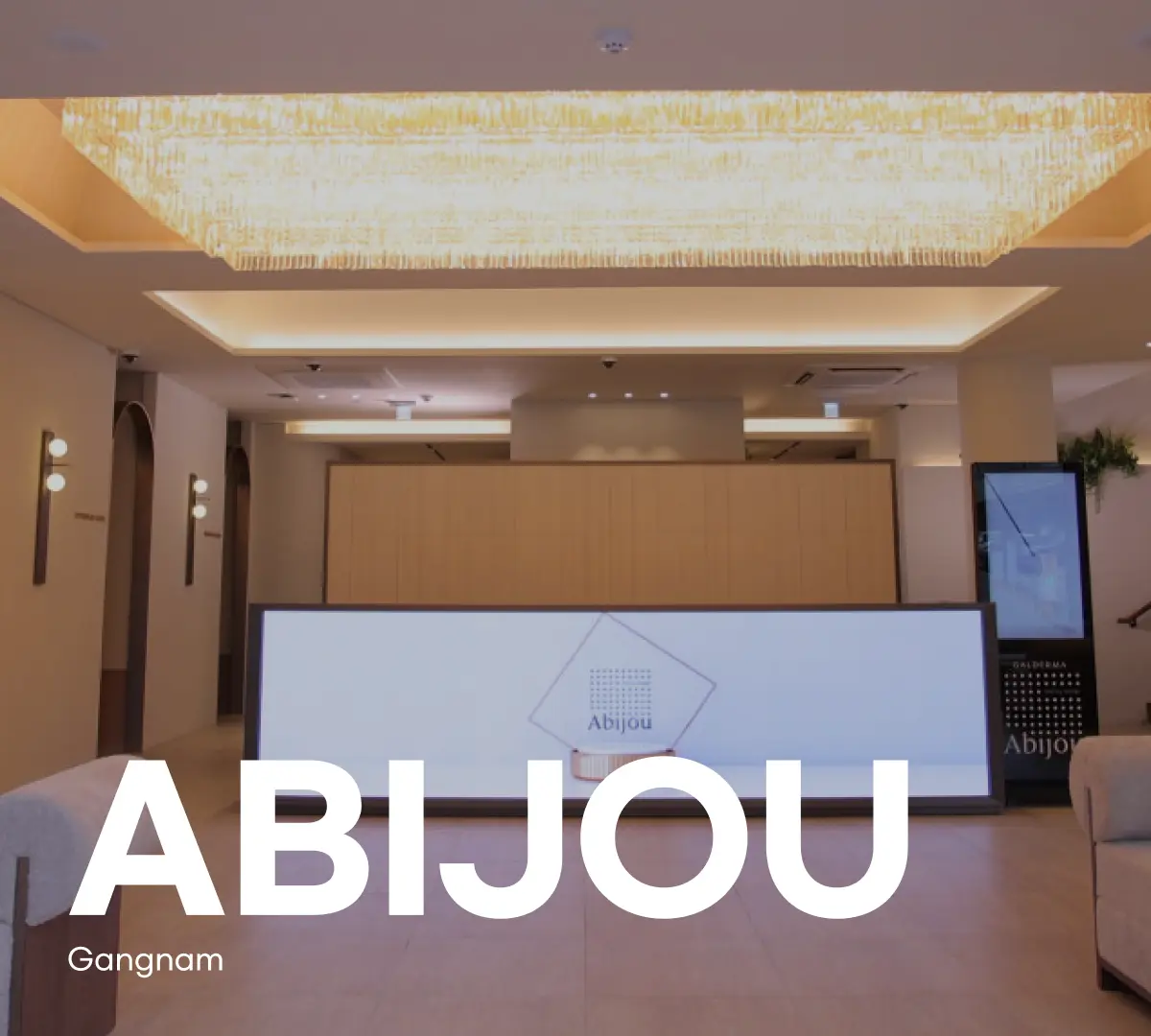
Popular with foreigners for aqua peels, Botox, and basic laser. Transparent pricing, English communication.
Xenia Clinic
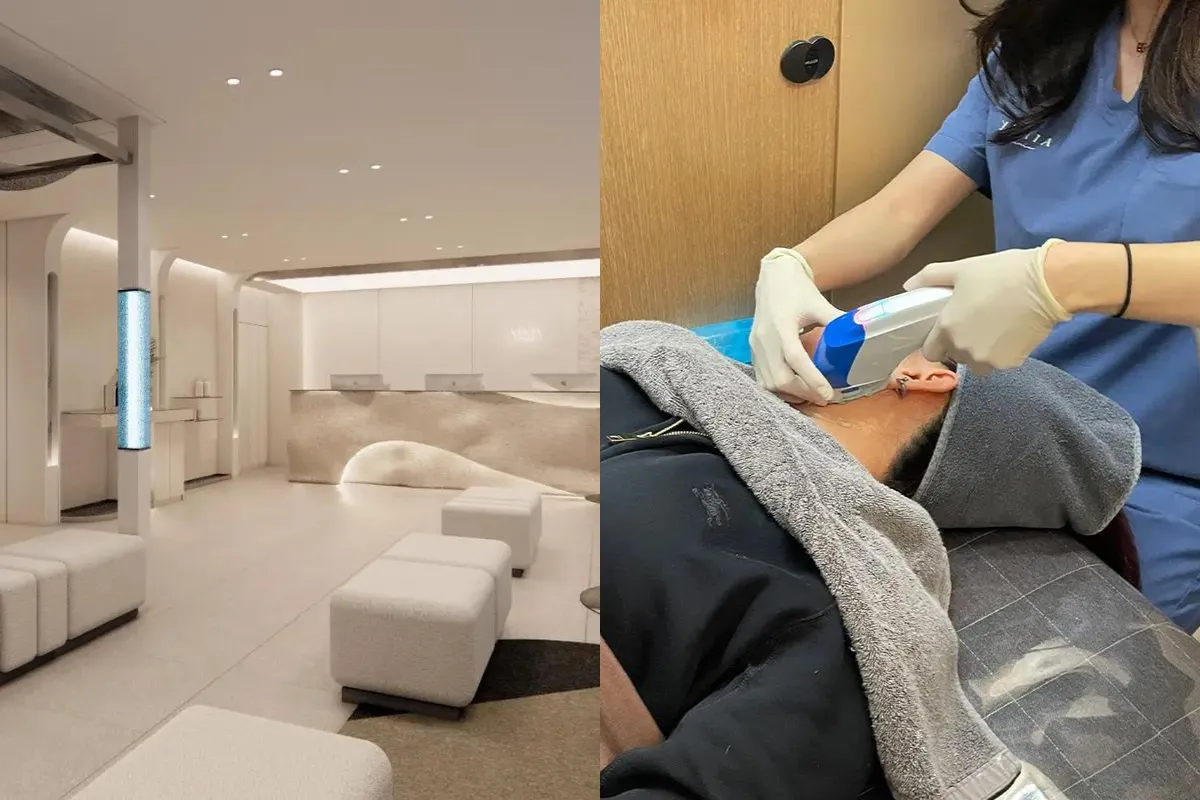
Solid budget option for entry-level treatments. Clean and straightforward.
PPEUM Clinic
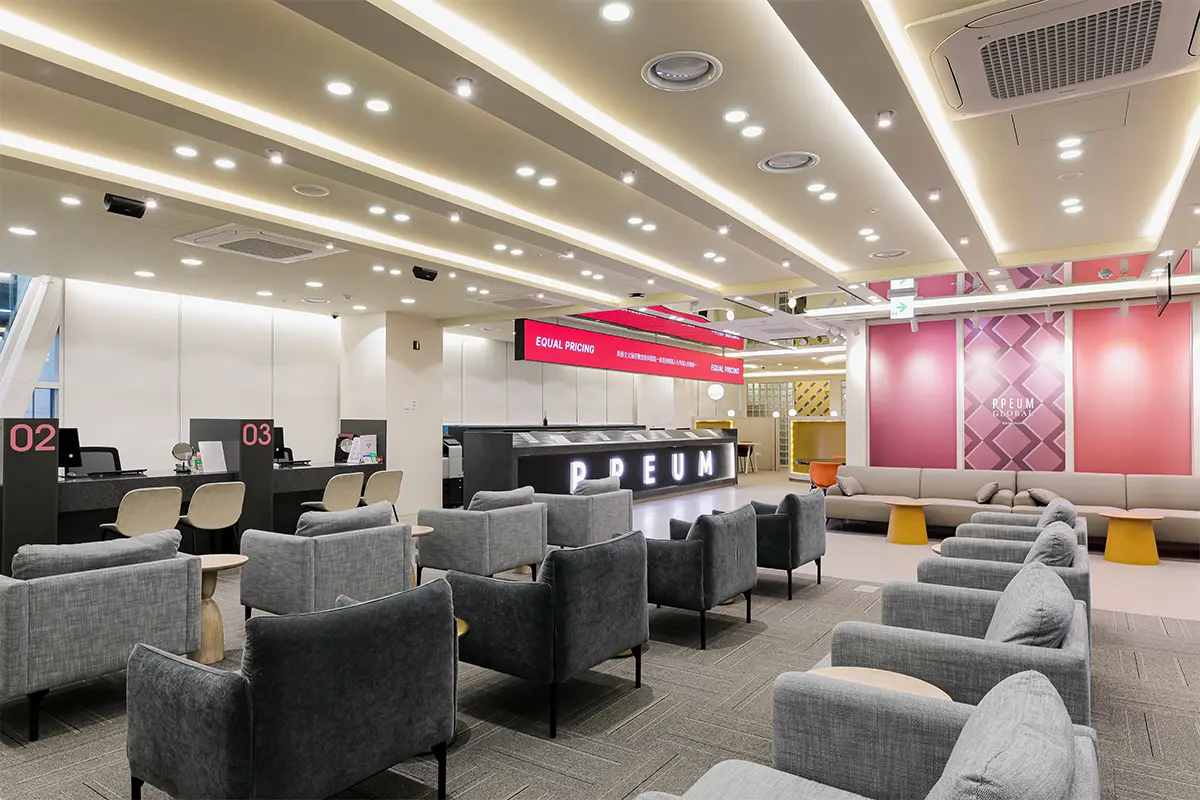
Branches in Gangnam, Myeongdong, Hongdae, Busan, and Jeju. Staff speak English, Chinese, Japanese, Thai, and Russian. A good choice for first-timers who want a smooth experience.
Mid-Range ($150-$400 per visit)
Forena Clinic
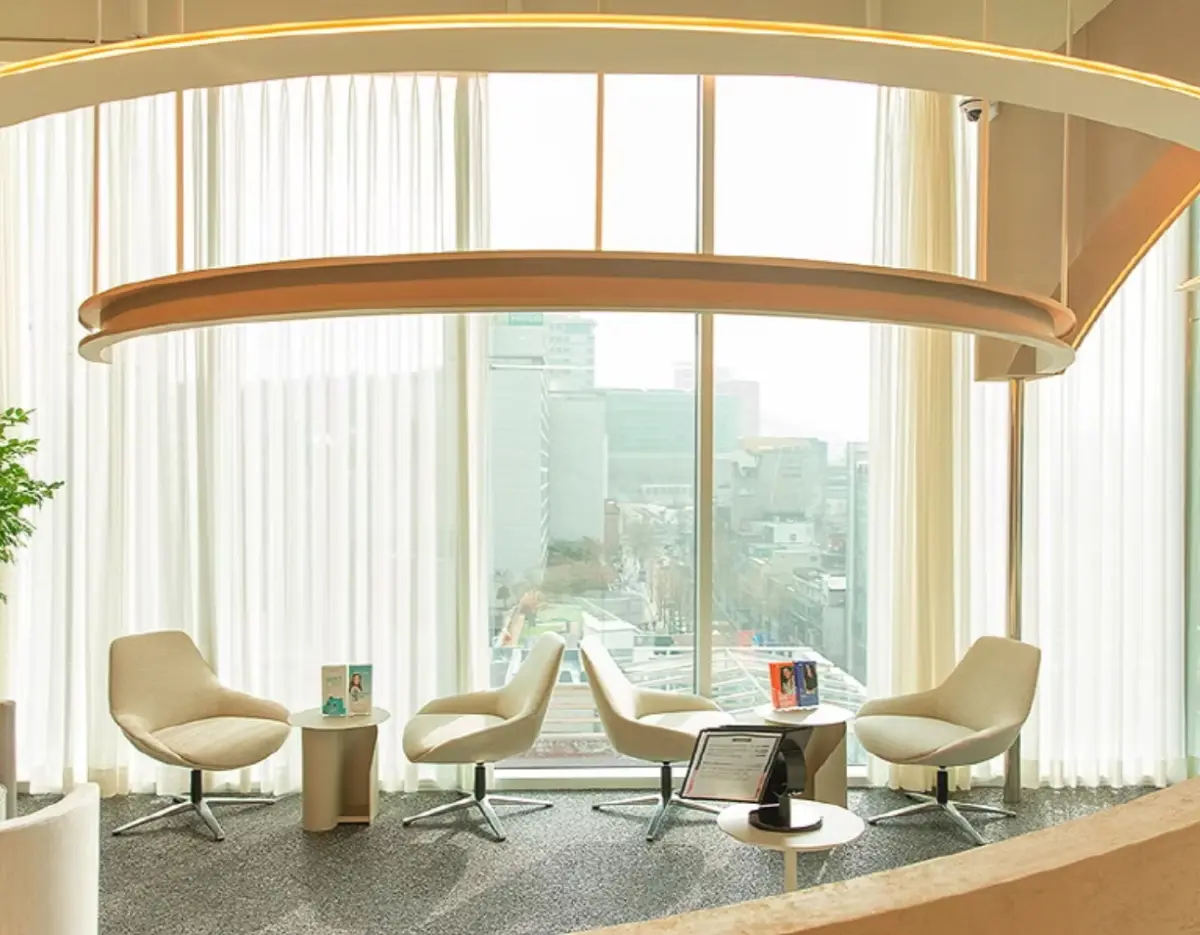
Known for lifting lasers, skin boosters, and Ultherapy Prime. Regularly publishes educational content for international patients.
Medicube (Gangnam)
Tech-forward treatments with attentive care. Reliable standards and a well-known name.
Premium ($400+)
DIORE Clinic (Gangnam)
Head doctor with 15 years of experience treating international patients. English-speaking staff always on site, not just available on request. For patients who want high-touch care with zero language barrier.
Le Shine (Gangnam)
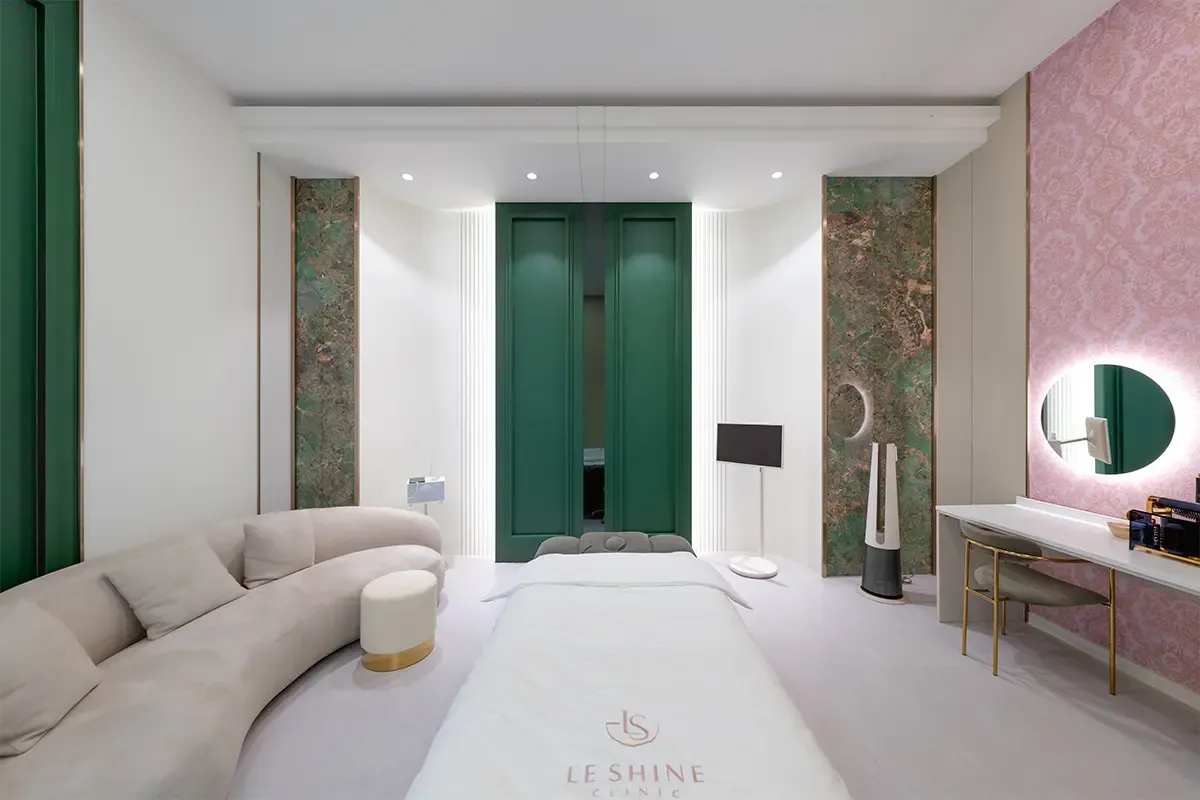
Luxury setting with premium treatments including Ultherapy, Thermage, and advanced lifting protocols.
What to Expect at Your First Appointment
- Check-in and registration — bring your passport
- Skin consultation — the doctor assesses your skin and recommends treatments
- Treatment — most sessions run 30-60 minutes depending on what you’re having done
- Aftercare instructions — given at the clinic; Creatrip’s support team can help clarify if needed
- Follow-up — most treatments require multiple sessions for full results; the clinic will walk you through the recommended schedule
One thing worth knowing: Korean clinics often suggest additional treatments during your consultation. That is normal and usually well-intentioned, but you can always decline and stick to what you booked. Knowing what you want in advance (and what each treatment actually does) makes the whole experience much smoother.
Last Words
This guide is a starting point, not a substitute for proper research. Before booking any treatment, take the time to read up specifically on what you are considering — every procedure affects skin differently depending on your skin type, concerns, and medical history.
Always consult with the doctor directly during your appointment, ask questions, and do not feel pressured to agree to anything on the spot. If you are unsure, it is completely reasonable to get a second opinion from another clinic before committing to a treatment.
Reviews matter too. Check recent reviews from other international patients on Creatrip, Google, and travel forums before booking. Real experiences from people with similar skin concerns will tell you more than any clinic’s own marketing.
Korean clinics are genuinely excellent, but the best results come to people who show up informed.